
Design Process
The Problem: Yearbook 2022-2023 started with new facilitators and students, lacking previous experience, including myself. Main issues were lack of organization of files, workflow complications, and communication. Many files were misplaced, unfinished spreads till the last week of a deadline and many students left mid-year. Pages contained students’ missing, incorrect grammar, blurry photos, and inconsistent style throughout.
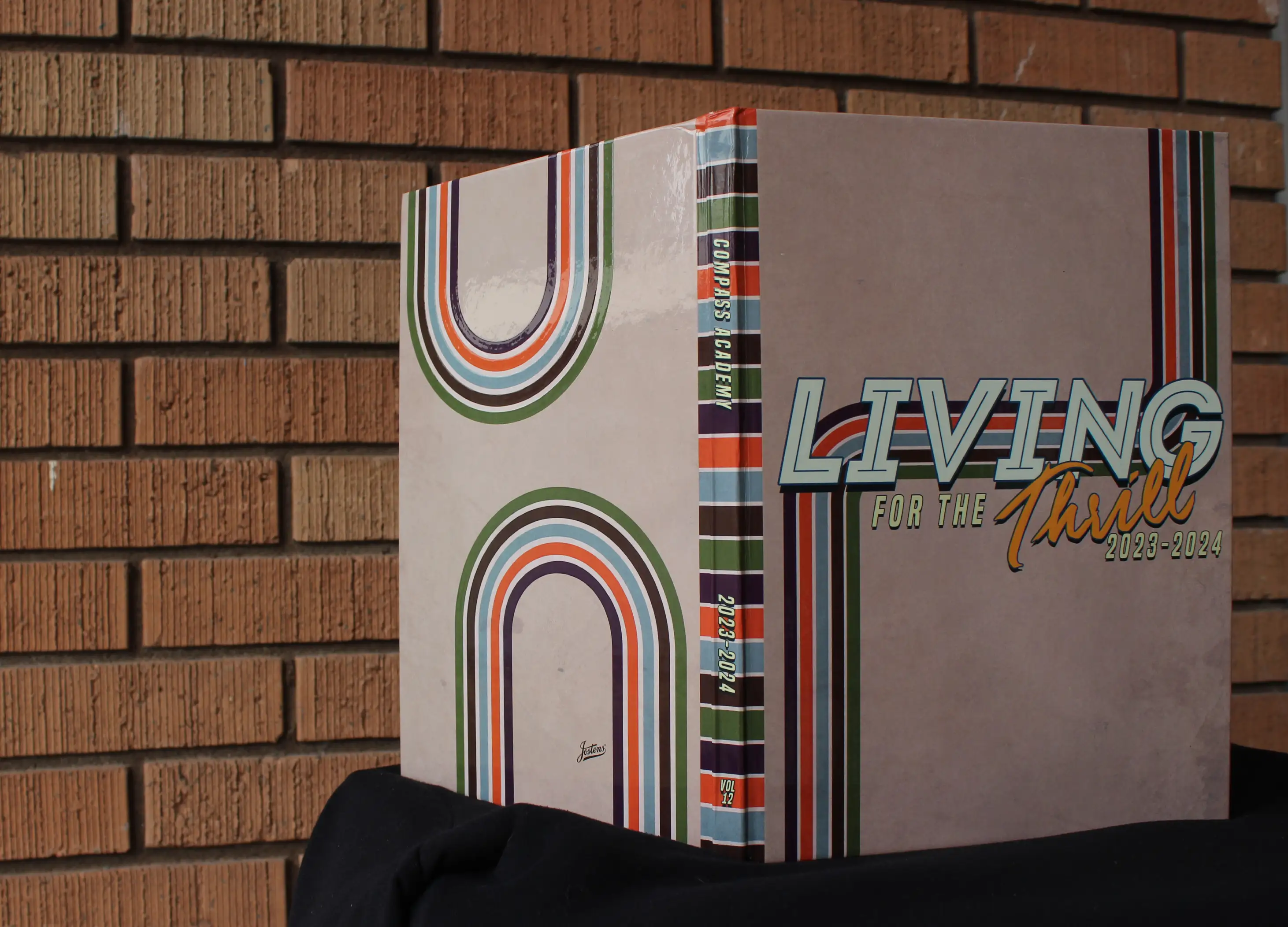
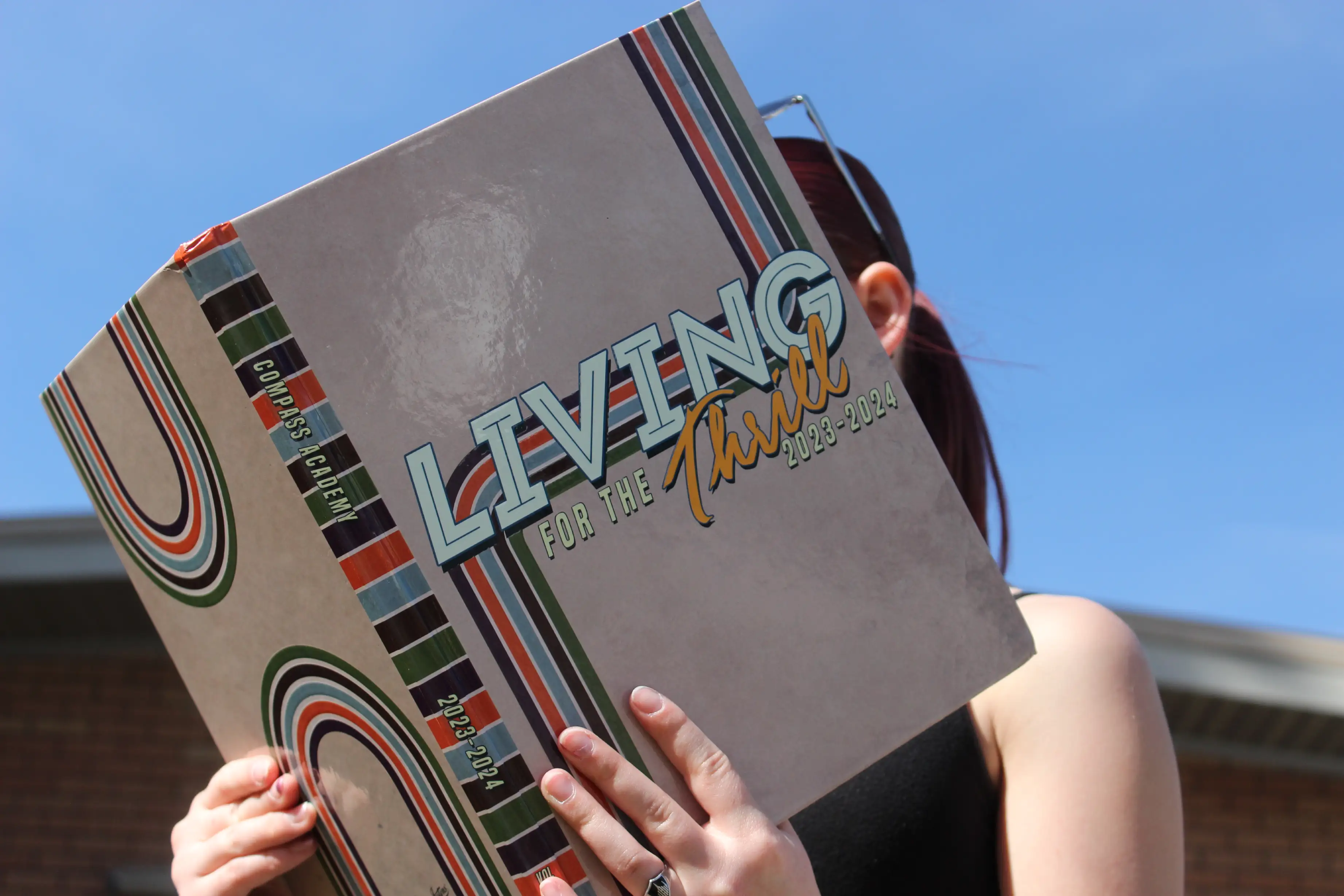
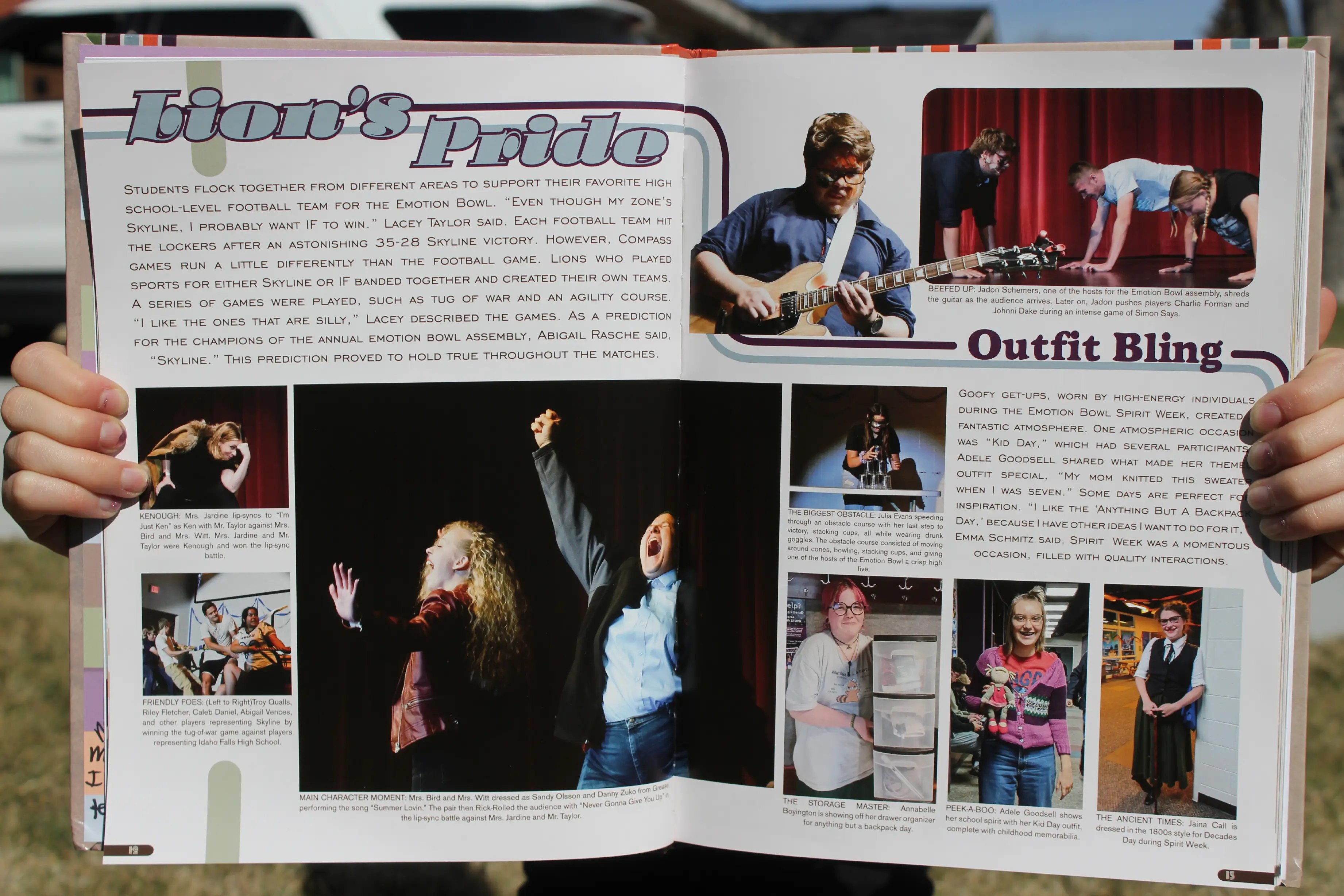
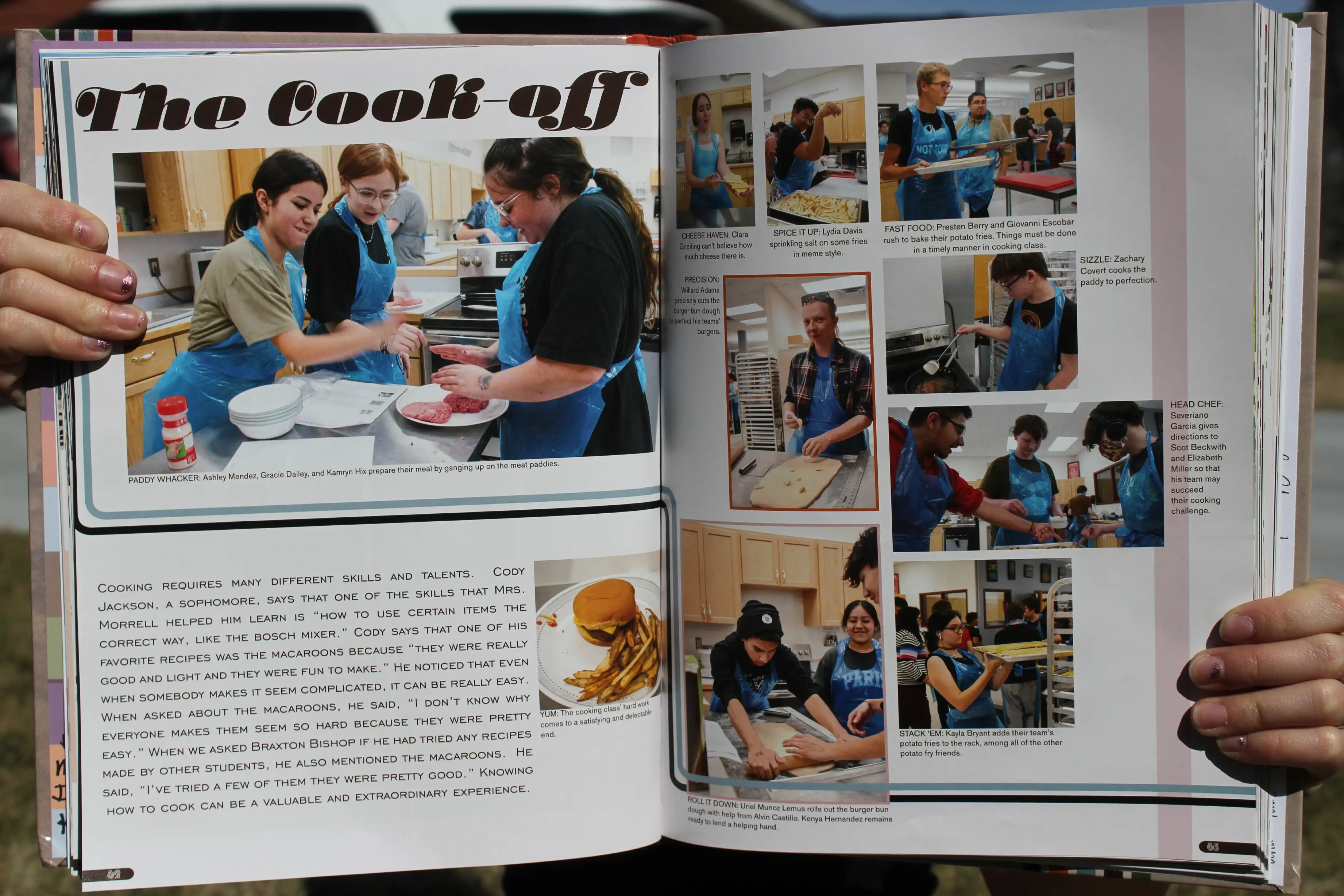
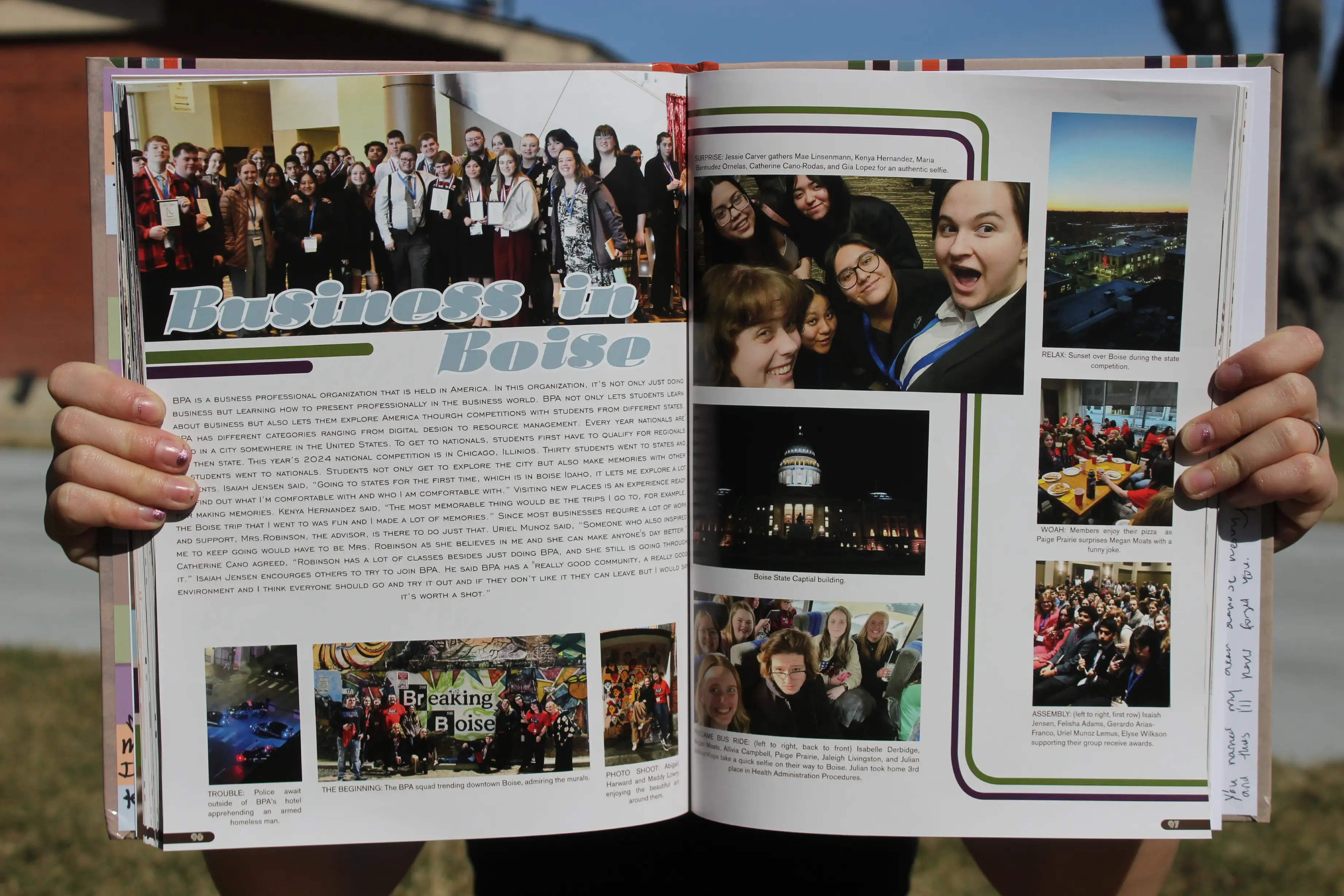
The goal was to create a book that was uplifting and fun but outshine in quality, coverage, and aesthetic from the previous yearbook. We went for wavy, soft shapes and high contrast of the 70s. The front cover took a few drafts with different ways the loops went, typography placement, and color palette. The typography went through seven different styles for the cover and 10 different styles for the Headings and Subheadings. Layouts went through many iterations and took the longest to create. Dividers, student and faculty layouts stayed consistent while every other layout was created by hand. Consistency was ensured with the typography, consistent color palette, and shapes leading from one page to the other. We tracked how many students were covered through spreadsheets, ensuring each student was covered at least three times through interviews or photos. As well as, keeping hard drives to backup photos for better organization.
There were many challenges throughout that year. The organization of groups took some trial and error and delegating tasks took some time to get used to. I struggled most in the beginning with ensuring students followed through on objectives, so I implemented workstations and weekly progress meetings. Halfway through the year, we struggled with files on corrupt computers and almost lost half of the yearbook that was already created. Because I had established backup systems beforehand, we were able to successfully recover all work from the desktops. Along with this, sports spreads were difficult to cover due to lack of players’ availability, so the staff created surveys of trends happening on campus for wider coverage.
The Challenges:
There were many challenges throughout that year. The organization of groups took some trial and error and delegating tasks took some time to get used to. I struggled most in the beginning with ensuring students followed through on objectives, so I implemented workstations and weekly progress meetings. Halfway through the year, we struggled with files on corrupt computers and almost lost half of the yearbook that was already created. Because I had established backup systems beforehand, we were able to successfully recover all work from the desktops. Along with this, sports spreads were difficult to cover due to lack of players’ availability, so the staff created surveys of trends happening on campus for wider coverage.
All In All
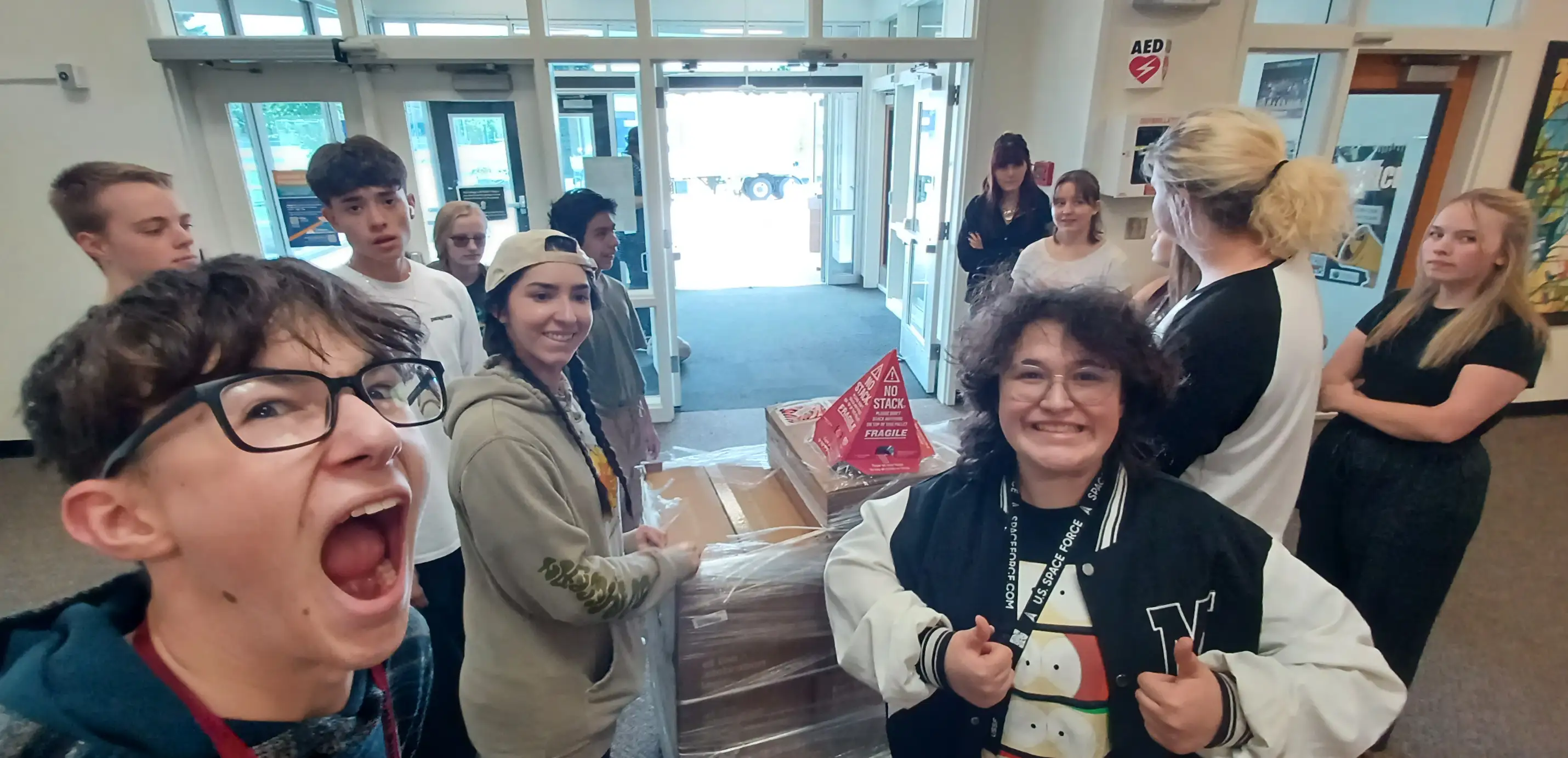
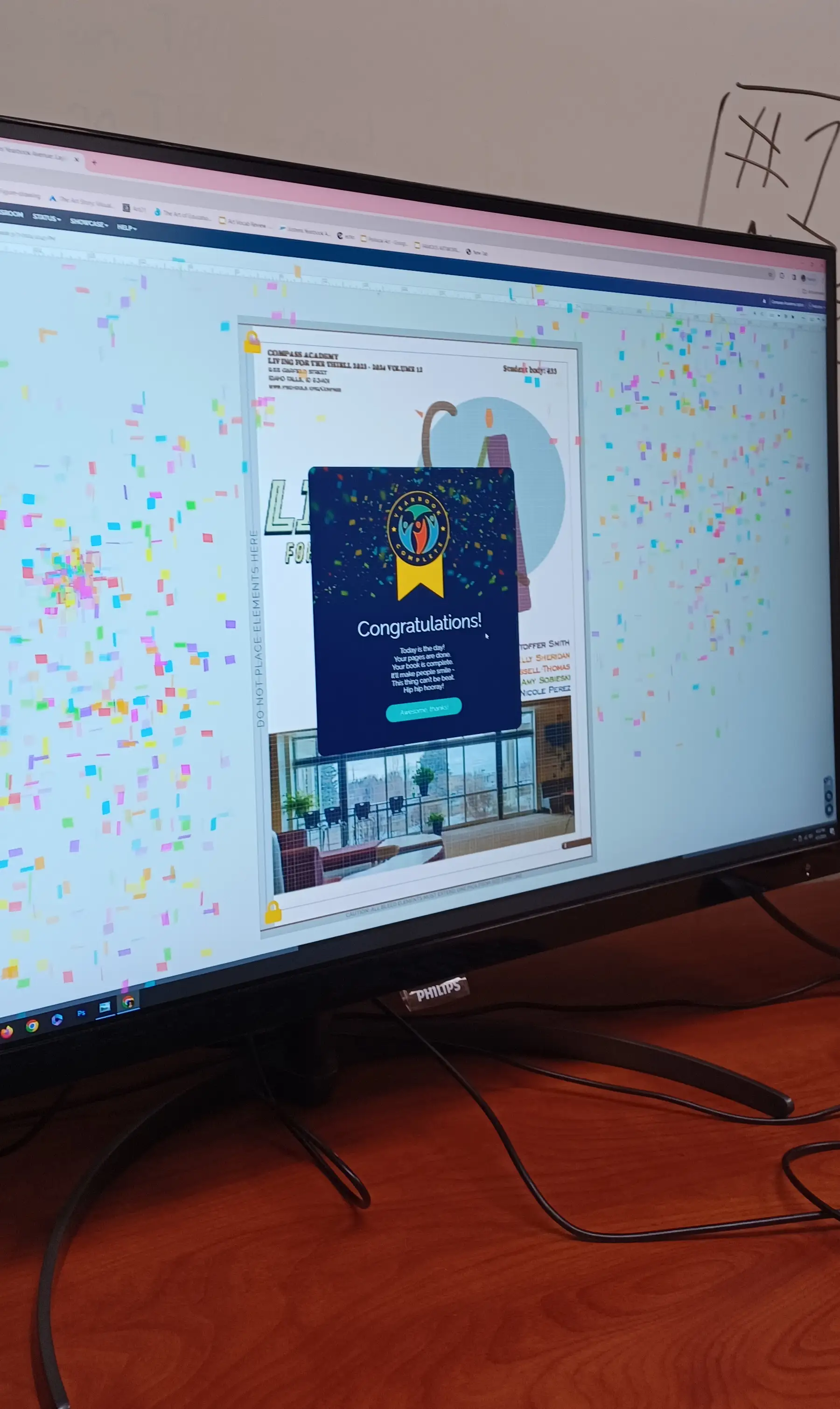
Despite the challenges, we still made the yearbook’s final deadline and a month early so seniors got to enjoy the yearbook signing day. Many students enjoyed the fun colors, writing, and stories they didn’t know happened around the school. Every student was covered, less spelling errors and better quality overall. This experience taught me how to be a better delegator and how I can get my ideas across to many people with results to show.